Insurance · Scottsdale, AZ
Does homeowners insurance cover a garage door?
Sometimes, and rarely for the reason people hope. A homeowners policy pays for damage from a covered peril: wind, hail, a falling limb, fire, a car into the door. A standard policy does not pay for routine wear and tear (Triple-I). A spring that snapped on a quiet Tuesday morning is usually wear, not a peril. That surprises many people.
Good to know
The short answer, by cause
| What happened | Usually a claim | The reason |
|---|---|---|
| Wind or hail | Yes, less the deductible | A listed peril on most policies |
| A limb or a falling object | Yes, less the deductible | A listed peril on most policies |
| A car or truck into the door | Yes, less the deductible | Impact damage to the structure |
| Fire or lightning | Yes, less the deductible | A listed peril on most policies |
| Wear, age or rust | Usually not | Routine wear and tear is excluded |
| A spring that simply snapped | Usually not | Mechanical breakdown is usually excluded |
| An opener that stopped working | Usually only if a covered peril damaged it | Mechanical breakdown is usually excluded |
Sources: Allstate, "What perils are covered by a homeowners insurance policy?" (updated August 2025), and Triple-I, what is covered by standard homeowners insurance (opens in a new tab), read October 24, 2026.
Costs
The perils that usually pay
A homeowners policy lists the perils it pays for and the exclusions it applies, and everything off that list is a conversation. Allstate names fire or lightning, windstorms and hail, explosion, vandalism, damage from a car or other vehicle, theft and falling objects among the common ones (read October 24, 2026). An attached garage is part of the house, and most policies also cover a detached garage as another structure (Triple-I). So a monsoon gust that peels a panel, hail that dents a steel face, or a limb that comes through the top section is the kind of damage a policy is built for. The deductible comes off the top, and that number decides whether a claim is worth opening. The list lives on the policy, and the policy wording decides.
Insurance
What a policy usually excludes
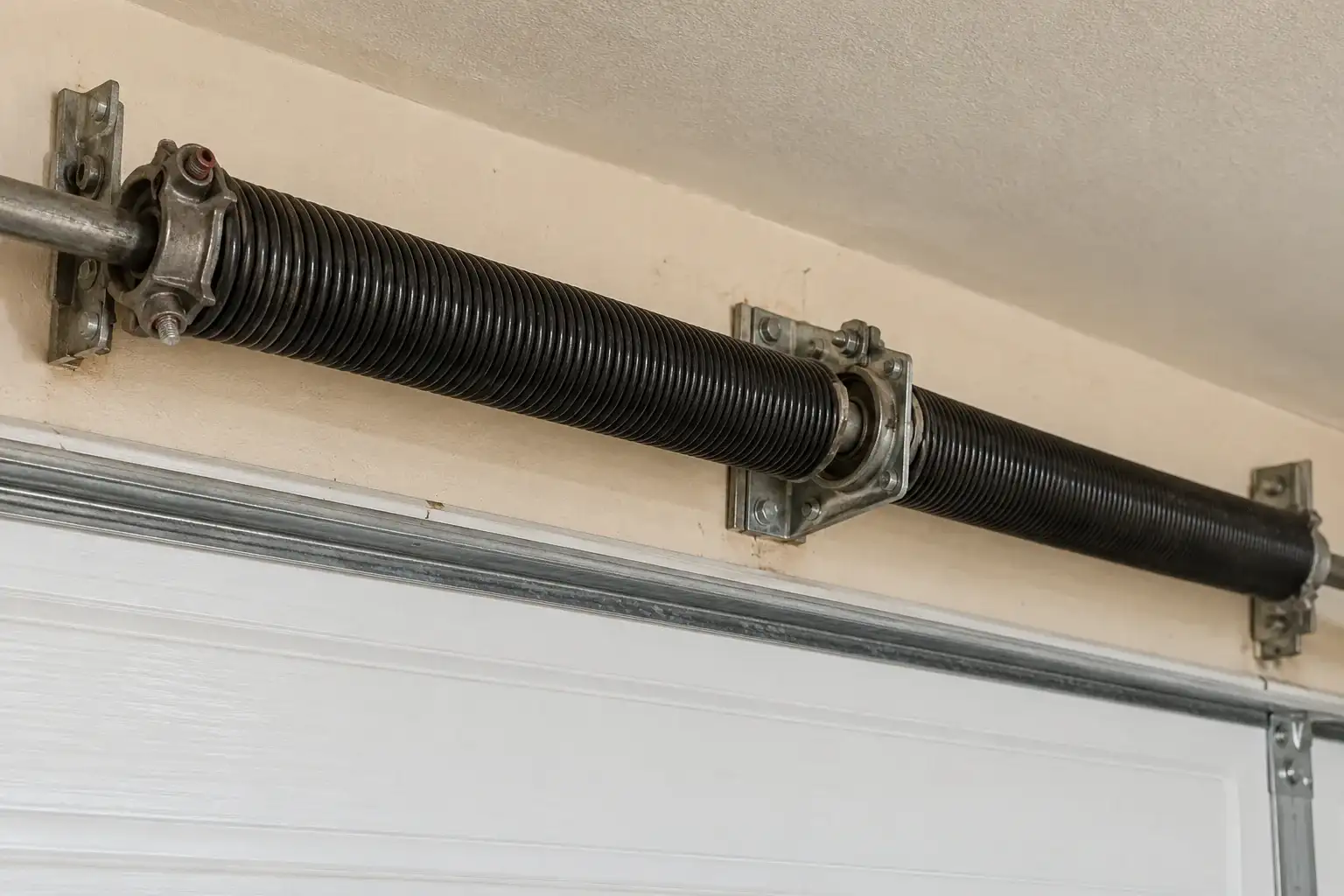
Wear and tear is not a peril. Neither is age, rust or a mechanical breakdown, and this is where many garage door claims stall. A spring usually does not break because something happened to it. It breaks because it reached the end of its cycle count, and a standard policy is not written to pay for a part reaching the end of its life. The same holds for a door that rusted along the bottom edge, a roller that wore through, or an opener gear that stripped. Those are maintenance, and the money comes from you rather than the policy. A part that failed on schedule was doing what it was built to do.
Openers
The door is structure, the opener is a machine
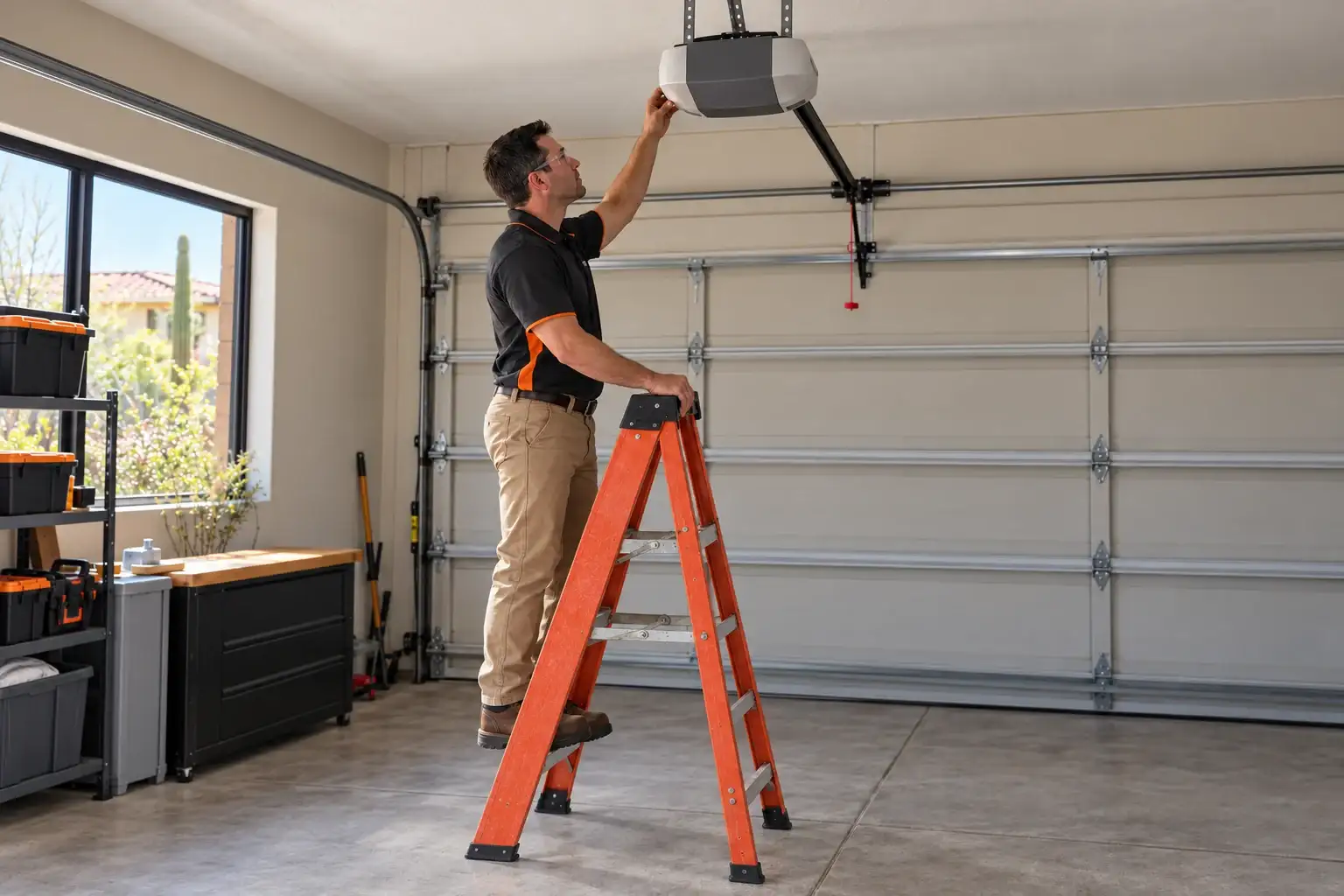
An attached garage is part of the house, so the door, its tracks, springs and panels are usually treated as structure. The opener is a motor and a board, and mechanical breakdown is usually excluded. It is usually a claim only when a covered peril damaged it. A fire that melts the housing or a limb that lands on the rail can be a claim, and so can a lightning surge on a policy that covers surges. A motor that hummed its last on an ordinary afternoon is not. The policy wording decides how each part is treated, so 1 visit can produce 2 answers for 2 parts in the same garage. A wall mount jackshaft is the same story: a motor, not a wall.
Insurance
How a claim usually runs
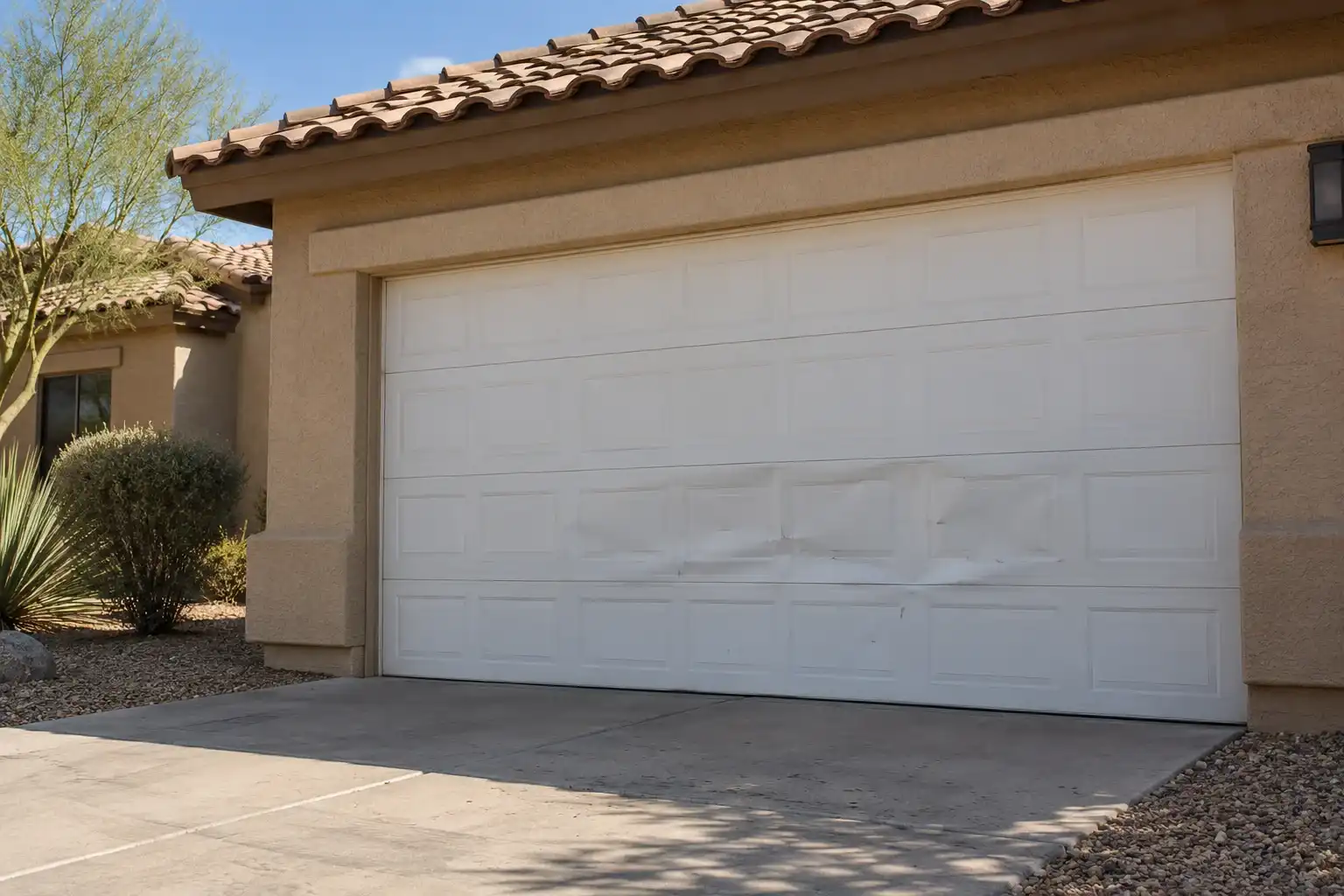
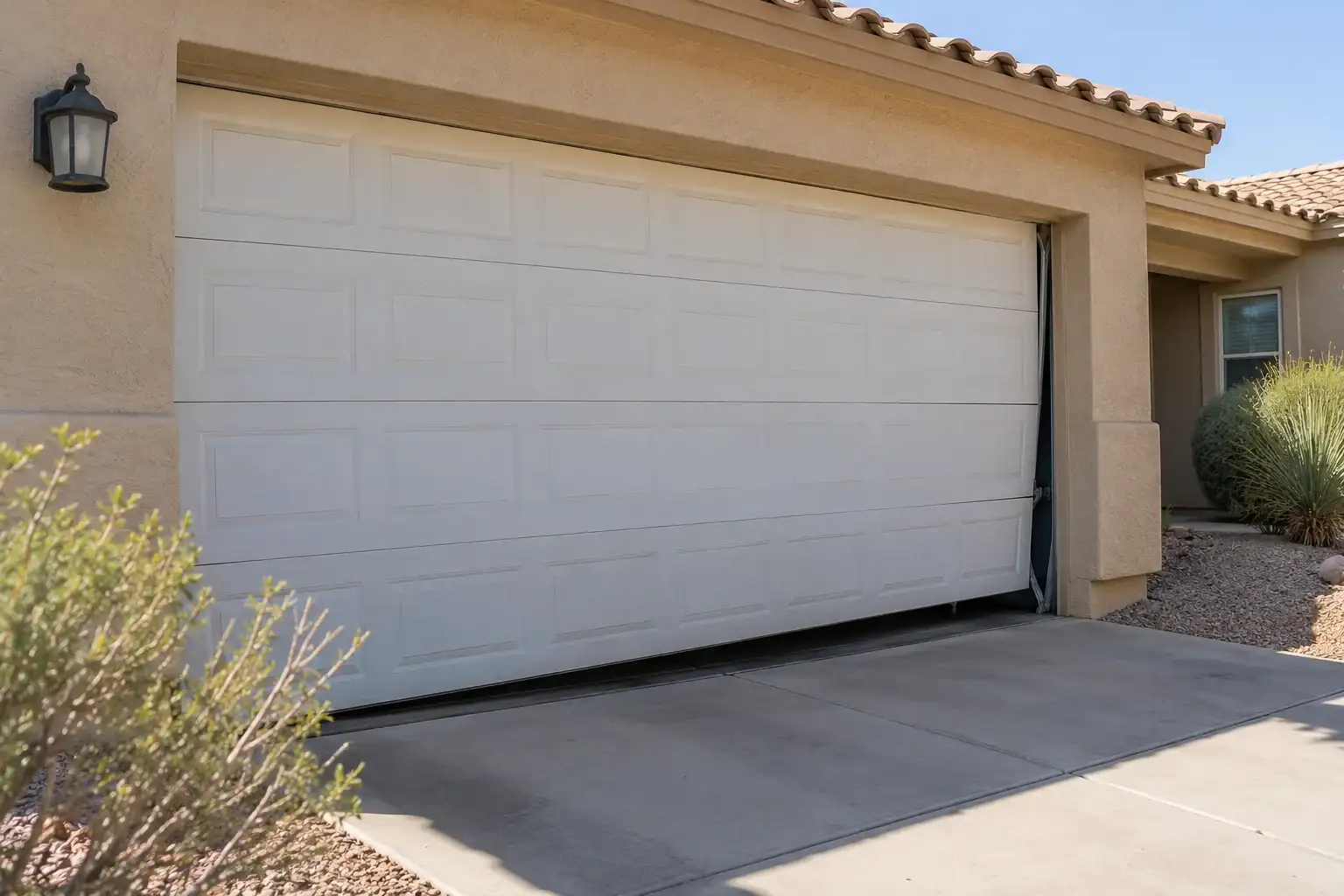
Most claims follow the same shape. Photograph the damage before anything is moved, note the date and what caused it, then call the insurer and open the claim. The insurer asks for the cause, the date and the photographs, and often for 2 estimates before it approves a repair. An adjuster may come out to look at the door, or the photographs may be enough. The deductible comes off the settlement, the repair gets scheduled, and the bill splits between the policy and you. Order matters here. Photographs taken after a door has been taken down are worth far less than photographs taken while it is still hanging. The paper moves a claim, not the phone call.
Insurance
What to photograph
4 photographs cover most of it. Shot 1 from the street, the whole door in place. Shot 2 close enough to show the damage in detail. Shot 3 of the cause, if the cause is still there: the limb, the car, the hail stones on the driveway. Shot 4 of the label or model number inside the door, because a panel has to be matched and the label is how a match starts. Add the date the damage appeared and the weather that day. If a storm is behind it, a dated weather report for the address is worth more than a description of the wind. A phone camera is enough, and the original files matter more than a crop.
Arizona heat
Monsoon season in the Valley
Monsoon season runs June 15 to September 30, the National Weather Service window. The wind often arrives before the rain, and an outflow gust against a wide door is a lot of leverage on a panel and a track. Dust comes with it and settles in tracks, sensors and the opener housing. A door that will not close after a storm is usually a sensor with dust on the lens or a track full of debris, and that is a service visit rather than a claim. Hail is the other one. It can dent a steel face and crack a full view pane. Take the photographs before anything is swept or hosed down. The gust is the part that catches people out.
6 questions
What people ask us
Still have a question? Call (747) 243-2089 and say what the door is doing.
Does a policy pay for a spring that snapped?
Usually not on its own. A spring at the end of its cycle count is wear, and wear is usually excluded. The exception is a spring that broke because something hit the door: a car, a fallen limb, a ladder. Then it is damage.
Is the opener covered along with the door?
Usually only if a covered peril damaged it. Mechanical breakdown is usually excluded, and the policy wording decides how an opener is treated. A fire that reached the housing can be a claim, and so can a lightning surge on a policy that covers surges. A motor that quit on its own usually is not.
Does hail damage count as a claim?
Usually yes. Hail is a listed peril on most policies, and a dented steel face or a cracked pane in a full view door is damage rather than wear. Whether a claim is worth opening depends on the deductible against the panel cost, which Angi publishes at $250 to $1,000 and HomeGuide at $300 to $900.
Are 2 estimates always required?
Often, not always. The insurer sets that, and it differs between companies and claims. What is consistent is the paper: a date, a cause and photographs. 2 written estimates that spell out the scope make a claim easier to settle.
The door will not close after a storm. Is that a claim?
Usually not. A door that stops closing after monsoon weather is typically a sensor with dust on the lens or a track with debris in it, and both are a service visit. A dented panel or a bent track is damage.
The door is old and the panel is discontinued. Now what?
The age of the door does not change whether the peril is covered. It changes what a repair can match. A discontinued profile means no panel to order, so the settlement tends toward a door. Ask how a match will be handled before the work is scheduled.
Keep reading
Where to go next
- What garage door repair costs in Scottsdalepublished ranges, with sources.
- Panel repair and door replacementwhat can be matched.
- The garage door guidesprings, openers and heat.
- Spring repairthe part a policy usually excludes.
Tell us what happened to the door, when it happened and what you have photographed so far. Someone from our team calls you back and goes over the options before anything is scheduled.