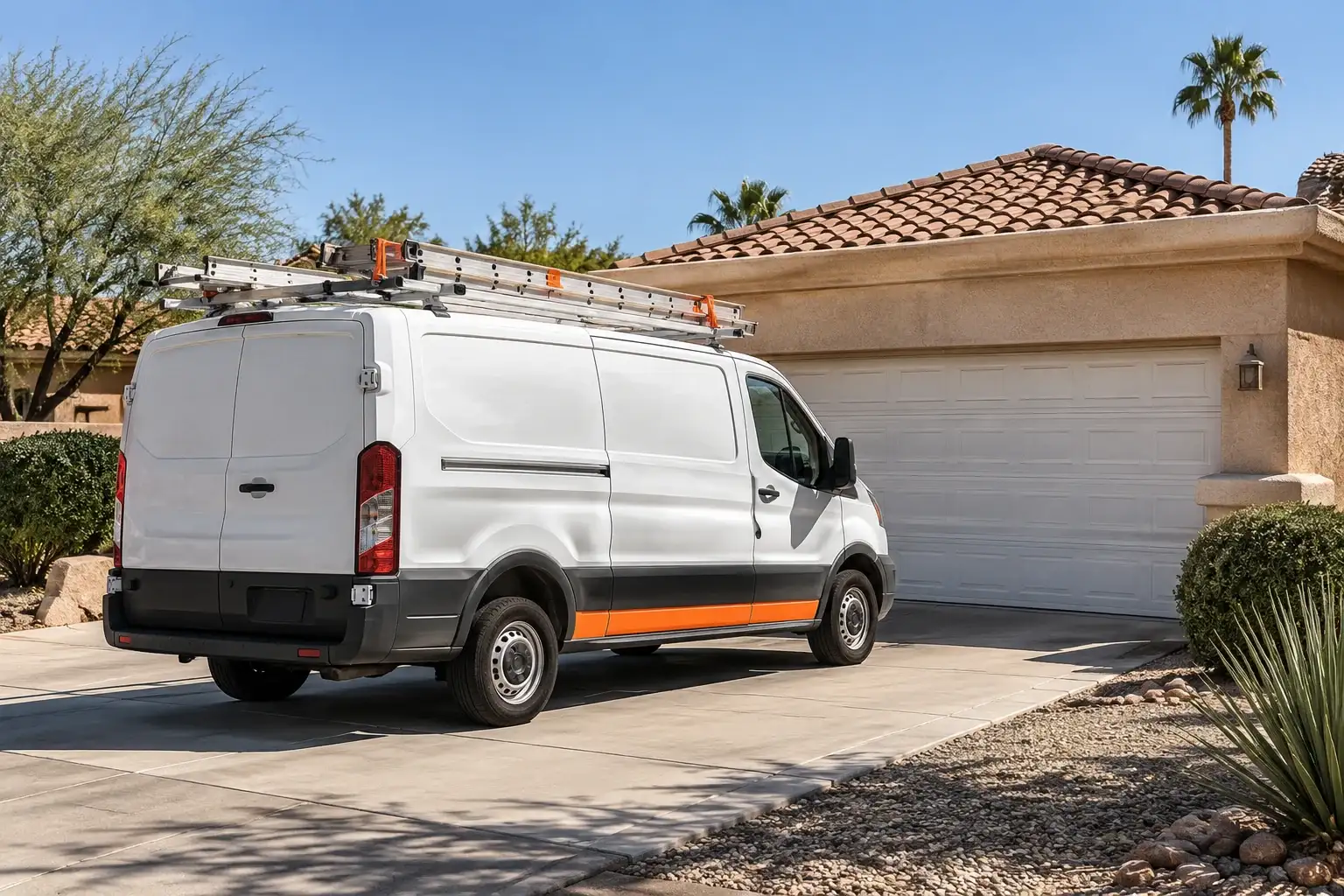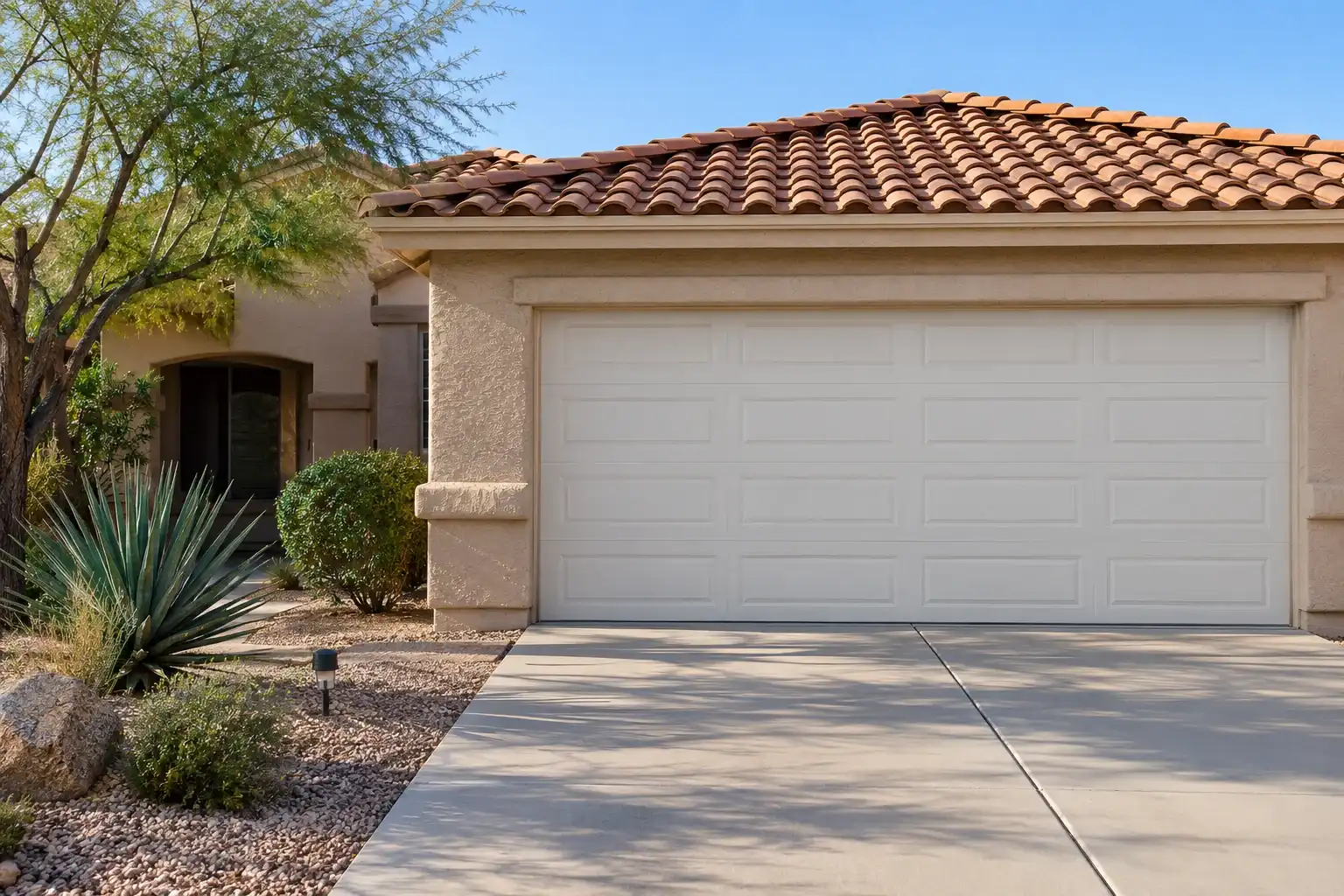
Compare
Insulated vs non insulated garage door in Scottsdale, AZ
An insulated door bonds a foam core inside the steel skin, so less summer heat soaks through into the garage. A non insulated door is a single layer of steel: cheaper, lighter, and the reason a west facing Scottsdale garage turns into an oven by four in the afternoon.
Good to know
The short answer
Insulated doors are quieter, stiffer, and they cut the heat that comes through the panels. Non insulated doors are lighter and cheaper, and they transfer the afternoon sun straight into whatever you store in the garage. If the door faces west or south, or you work in the garage, insulated is the better spend. If the garage is detached, empty, and used for parking, a single layer door is fine.
The right choice depends on the exposure, what the garage is used for, and whether the springs and track can carry the extra weight.
Good to know
Insulated: what it actually is
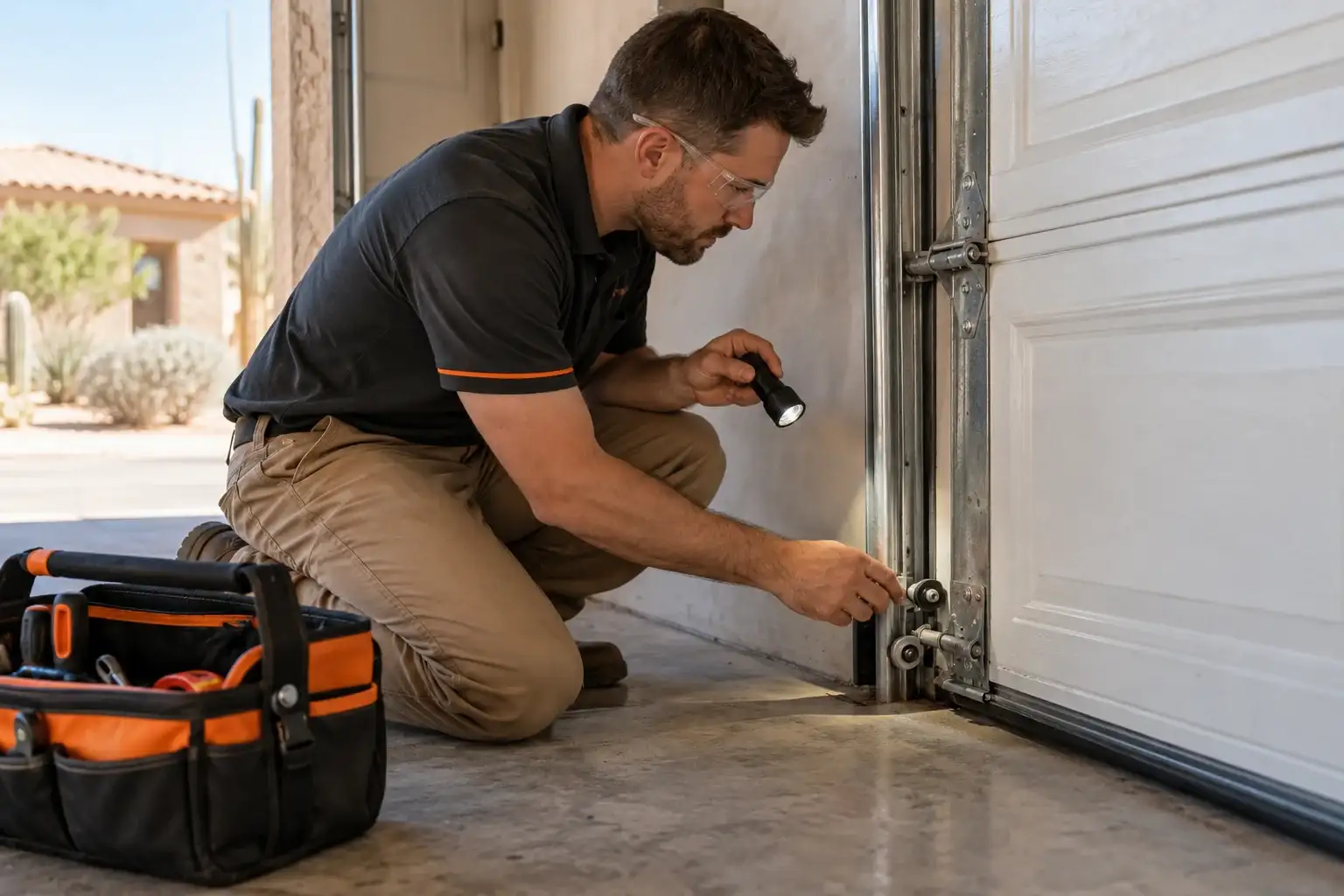
An insulated door sandwiches a foam core between two steel skins, panel by panel. The foam is polystyrene or polyurethane depending on the door, and it works like the insulation in a wall: it slows heat moving through the panel instead of stopping it outright. The core also makes the panel stiffer and heavier, which is why insulated doors feel more solid and move more quietly, and why they cost more than a single skin.
The heat it blocks is radiant heat. A west facing door in summer sits in full sun for hours, and the outer skin runs well above air temperature. Without a core, that heat shows up on the inside face of the door and radiates into the garage. With a core, a lot of it never makes the trip.
Good to know
Non insulated: what it actually is
A non insulated door is one layer of roll formed steel, stamped into panel shapes for rigidity, with no core and no second skin. It is the lightest door made, which is why it is the cheapest to hang and the easiest on a small opener. It also moves heat in both directions faster than anything else on the market.
On a north facing garage in a mild climate, none of that matters. On a Scottsdale lot, the door is a sheet of metal pointed at the afternoon sun, and the garage behind it collects the heat like a solar oven. What the door does not absorb, it passes through.
Signs
Where non insulated doors fail here
Surfaces reach well above air temperature in summer. A single layer door on a west or south exposure is a radiant panel aimed at the back wall of the garage, and everything in the path of that heat pays for it. Rubber and plastic age faster than the national average assumes, so the car covers, the bins, the adhesives, and anything with a battery all take a beating in a garage that cooks every afternoon.
It is not just the stuff in the garage. A garage that stays hot radiates into the rooms behind it, and the air conditioner works against a wall that never cools off. The door itself also gets louder as it ages. A single skin has no core to damp vibration, and a rattling panel stack is the price of the light weight. Monsoon gusts rattle it against the track in a way a stiffer insulated panel simply does not move.
Signs
Where insulated doors fail here
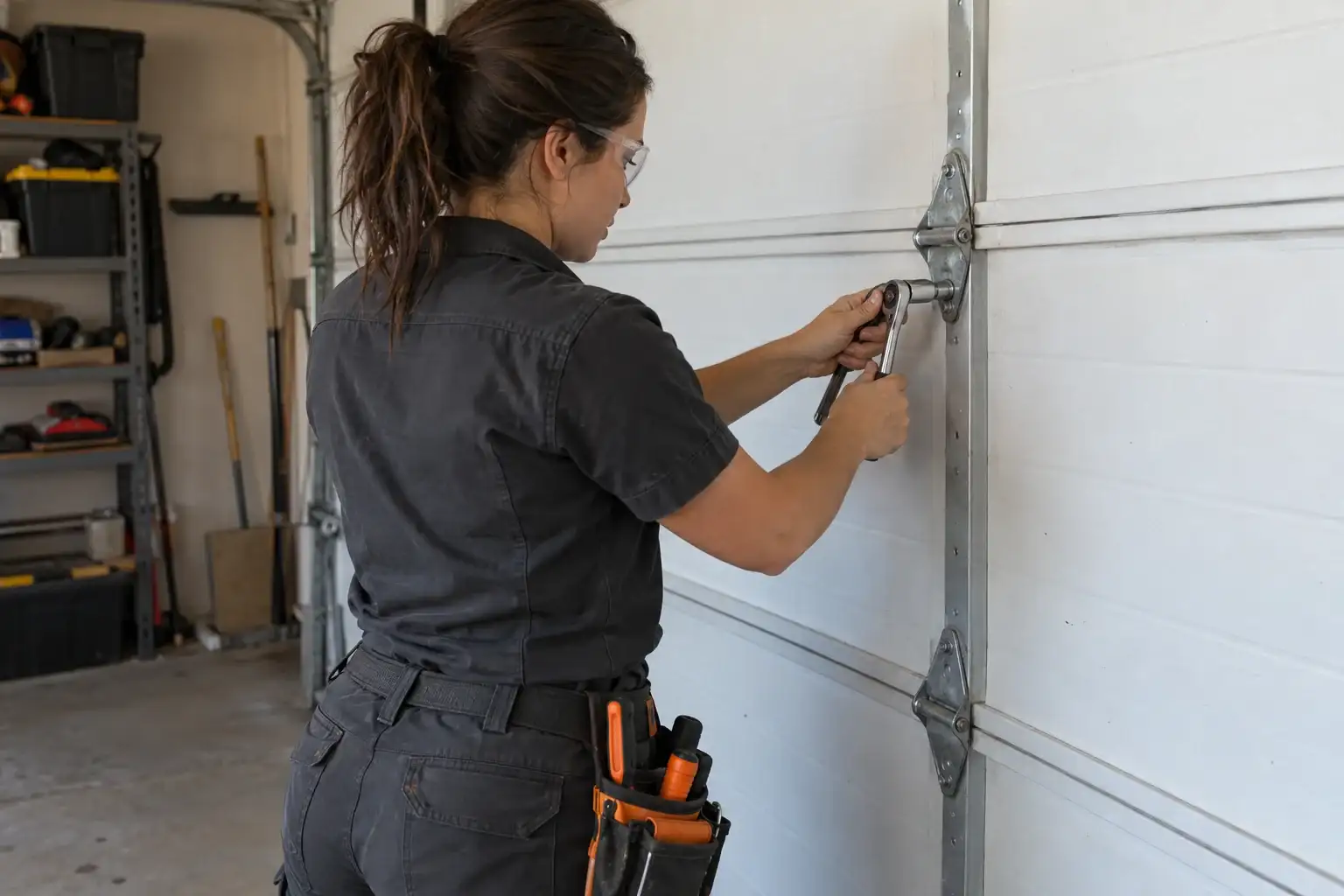
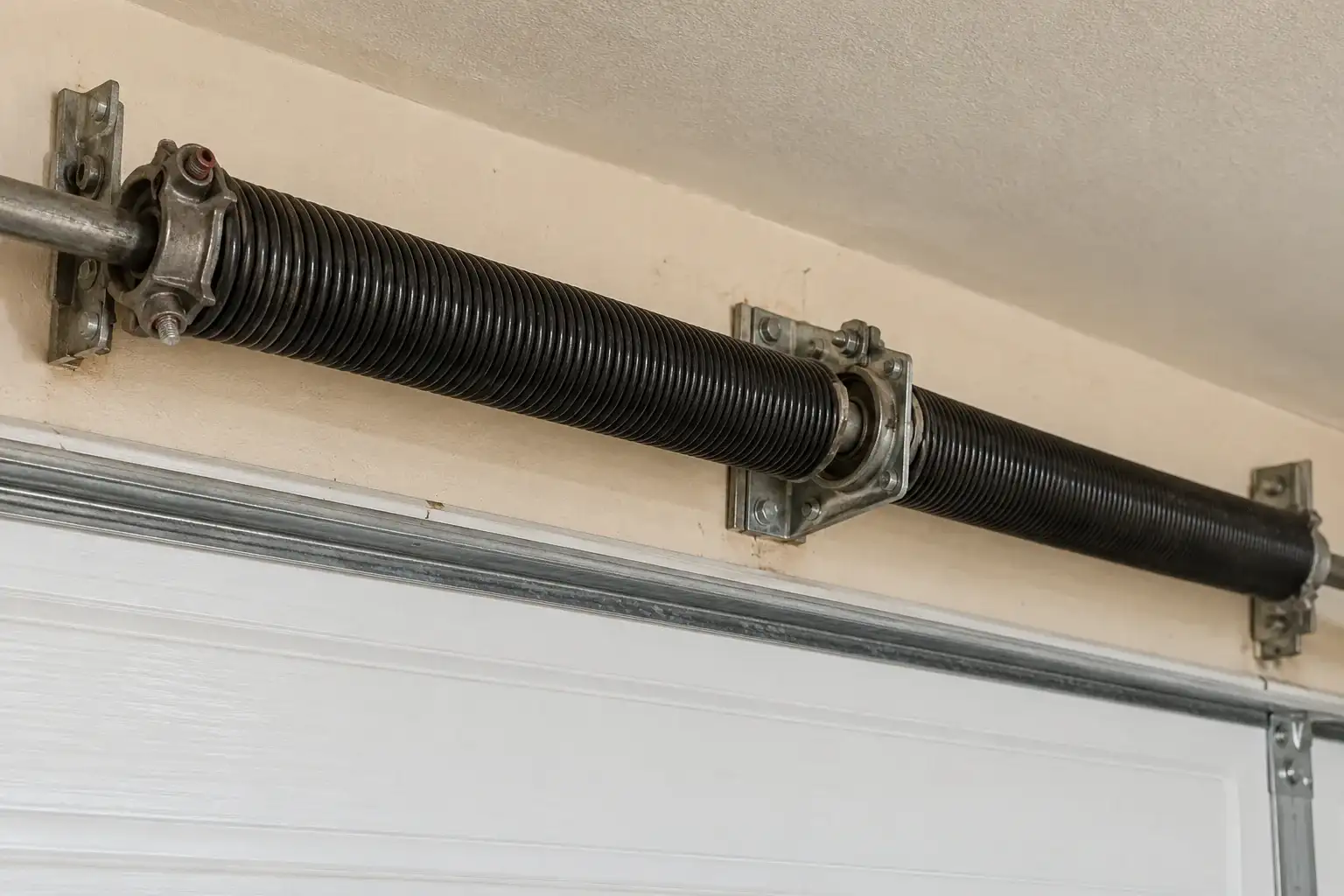
The weight. An insulated door is heavier than the single layer door it might replace, and if the springs are not resized for the new weight, the whole system strains. A tired spring makes a healthy opener strain, and a heavier door makes that worse. The insulation is never the problem. The spring spec left over from the old door is.
There is also the expectation problem. An insulated door cuts the heat that comes through the panels. It does not air condition the garage, and it does nothing about the heat that leaks around the edges, through the weather seal, and through the roof. A homeowner who buys insulation expecting a cool garage in August will be disappointed by the parts of the garage the door does not cover.
Costs
What it costs and what drives the number
Insulated doors run more than single layer steel, and the gap widens with the core thickness and the panel quality. The number is also driven by windows, by the finish, and by the spring package that the extra weight requires. These are ranges, and they vary door to door.
The honest way to price it is to count the exposure. On a west facing garage, insulation is buying back a few degrees every afternoon for the life of the door. On a shaded north facing garage, it is buying quiet and stiffness, and the heat argument barely applies.
There is a middle ground worth knowing: some doors carry a thin core and some a thick one, and the difference between them is degrees, not features. On a west facing garage the thick core is money well spent. On a shaded garage, the thin core gets the quiet and the stiffness without paying for heat protection the lot will never need.
Good to know
What good work looks like in Scottsdale
- The door gets weighed before the springs are sized. An insulated door changes the balance math, and the springs have to match the actual weight, not the old spec.
- Insulation follows the exposure. West and south facing doors justify the thicker core, and a shaded garage does not need it.
- The track and the opener rating get checked before a heavier door goes on, so the new door does not arrive with the old door's problems attached.
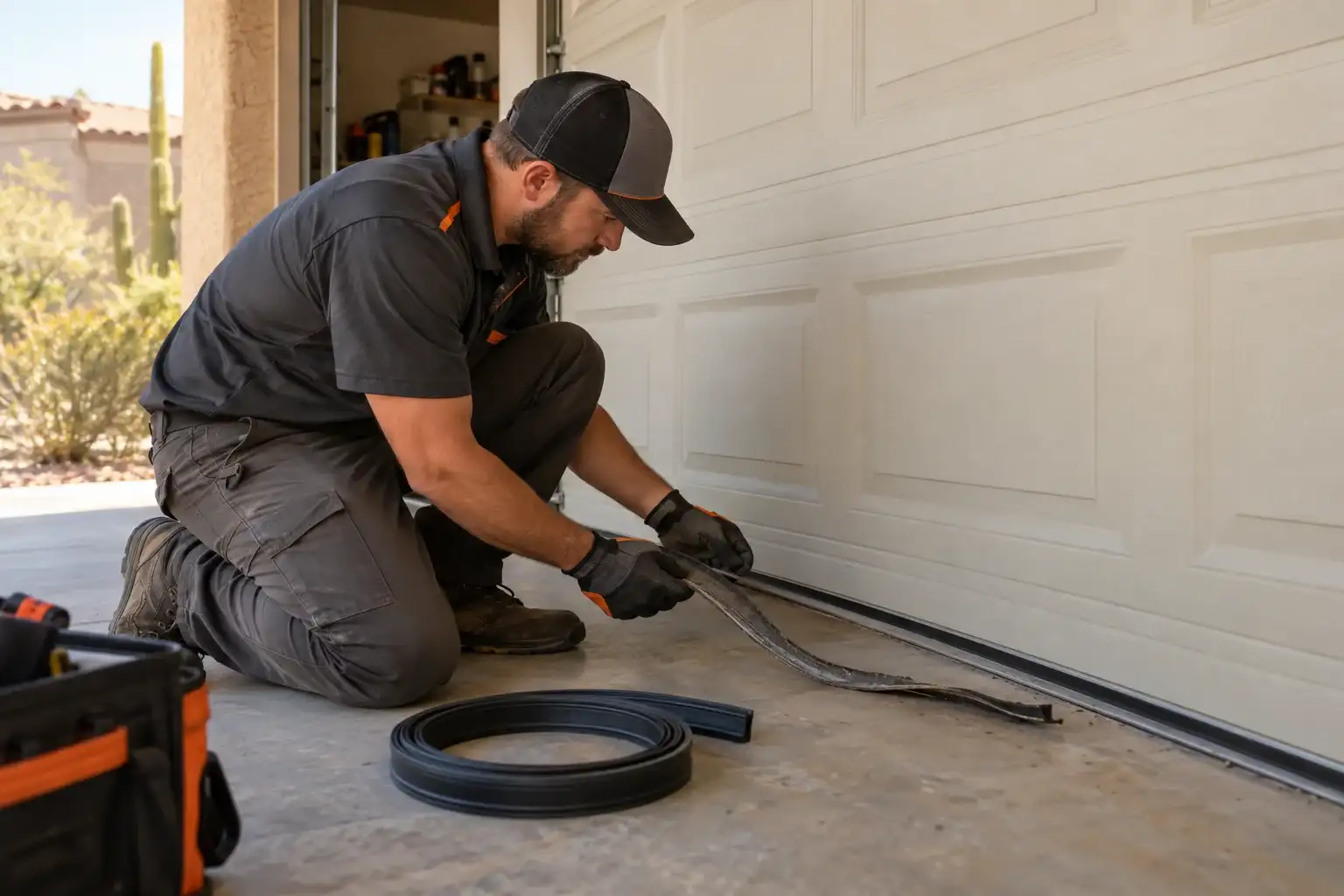
- The bottom seal belongs in the same visit. Insulation does nothing about monsoon water coming under the door, and the seal is the part that keeps that out.
6 questions
Insulated vs non insulated garage door: your questions
Still have a question? Call (747) 243-2089 and say what the door is doing.
Is an insulated garage door worth it in Scottsdale?
If the door faces west or south, or the garage stores anything that softens in heat, yes. The panels are the biggest single surface on the garage, and an insulated door cuts what they pass through.
Does it make the garage cooler?
It cuts the heat that comes through the door panels, which matters most in the afternoon. It does not air condition the space, and it does not fix the heat that leaks around the edges.
Does insulation quiet the door?
Yes. The core damps panel vibration, so an insulated door thuds instead of rattles. It is the quietest change you can make without touching the opener.
Will my opener handle the extra weight?
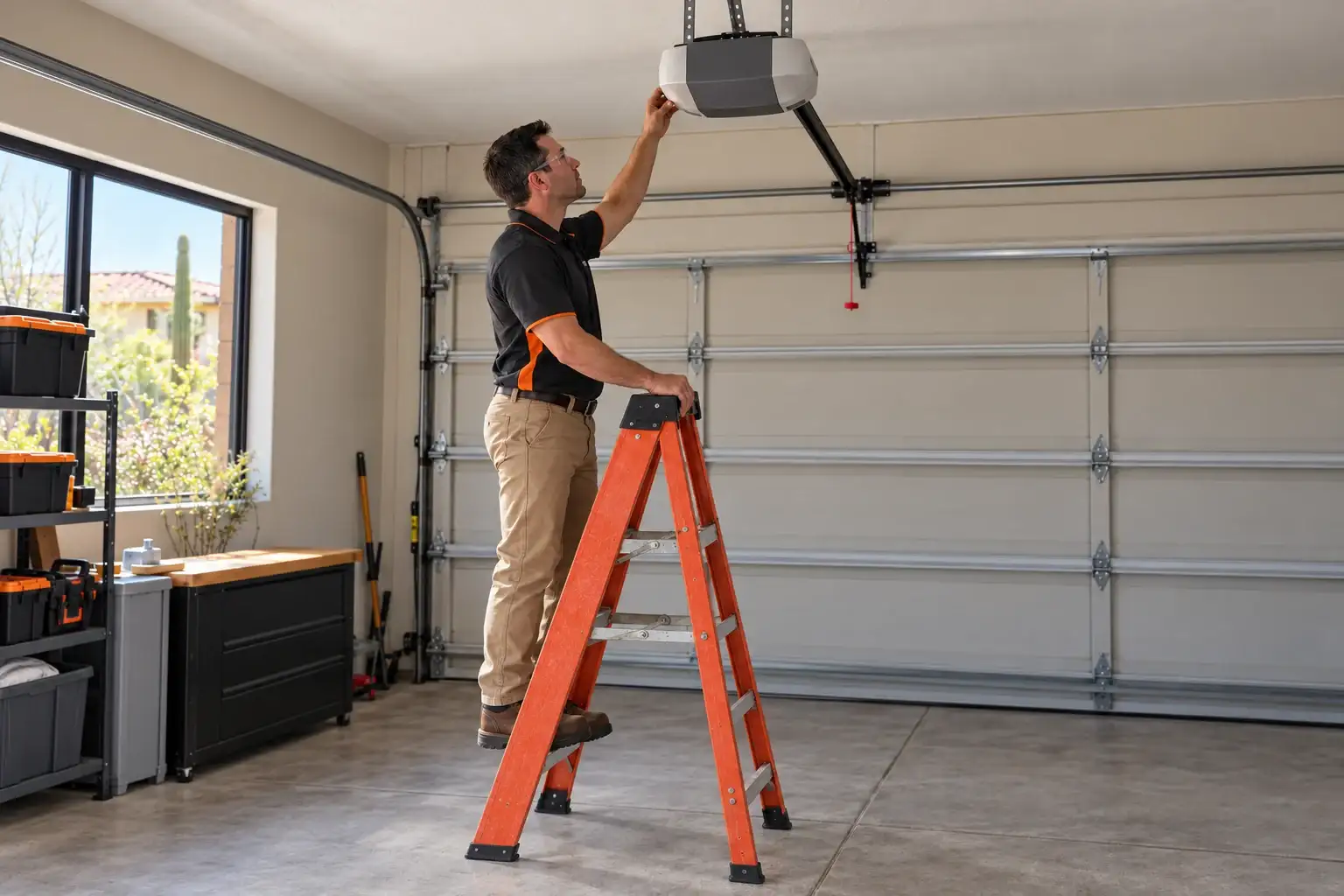
Only if the springs match the new door. A heavier door on old springs strains the opener. The spring spec is the thing to check before the door goes on, not after.
Does insulation stop the heat entirely?
No. It slows the heat moving through the panels. The garage still gets hot from the roof, the walls, and the gaps, and the door is only one of those surfaces.
Is a single layer door ever the right call?
Yes, on a shaded or north facing garage that holds a car and nothing else. The cheaper door is fine when there is no afternoon sun to fight.
Call (747) 243-2089 and tell us which way your garage faces. We go over whether insulation is buying you degrees on your exposure, or just a quieter door, and what each option costs.
Compare materials on steel vs wood garage doors, check the chain vs belt drive opener page if the opener is part of the plan, and see the repair cost page for how the numbers add up. Back to the home page.